Deck FAQs
Hiring a contractor is the cheaper option for many homeowners. With our skills and expertise, Juranek Home Improvement can help you avoid the pitfalls of DIY deck building. Our trained and licensed contractors can get the work done faster, avoid costly mistakes that need repairing, and provide better quality craftsmanship. Many contractors, like Juraneks, also offer warrantied protection on their work.
Finding a good deck builder in Sioux Falls takes some time and research, but is well-worth the effort. Many homeowners find reliable contractors through referrals from family and friends. If there are no good leads through them, you can also find quality contractors online. Try searching for home contractors with BBB-accreditation, high ratings on Google Business reviews, and good ratings from previous customers. It's also important to ask potential contractors about licensing, certifications, and how long they've been operating.
The best times of year to build a deck are during the spring and fall. These cool seasons offer a relief from the heat for contractors. Working in spring gives the ground a chance to thaw after winter which is essential for setting deep posts, while working in early fall means the ground hasn't frozen yet. Fall and spring are also times of year when contractors have more time available in their schedule and may offer better prices for projects.
The time it takes for a contractor to build a deck varies depends on the complexity of the project. Most contractors can lay the foundation and build a simple deck in a few days. A medium-sized deck with a few added features takes a couple of weeks. Large and complicated builds require more planning and materials in addition to the time spent constructing them. Sometimes, larger decks take months to complete.
A deck can increase a property's value, especially for homebuyers with an interest in outdoor living. Remodeling Magazine’s 2024 Cost vs. Value Report states that the ROI on a composite deck can be as much as 68% for homeowners. This return on investment is higher than it would be for a wood deck, which requires more maintenance to keep in good condition.
Choosing whether your deck should be lighter or darker than your taste and the look you want to achieve. Many homeowners choose a deck color slightly darker than their house color because it adds depth and hides dirt, stains, and wear better. However, a lighter deck can brighten outdoor spaces and keep surfaces cooler in sunny climates. When selecting a deck stain or paint color, consider your home’s exterior color, roof, landscaping, and sunlight exposure to create a balanced, cohesive outdoor design.
Deck color trends in 2026 focus on natural, earthy tones and modern neutrals that complement contemporary home exteriors. Popular choices include warm cedar, driftwood gray, walnut brown, and charcoal. Soft grey tones and weathered wood stains are also trending because they mimic natural wood aging while protecting the deck. Many homeowners are pairing darker deck boards with lighter railings for contrast. These modern deck colors not only look stylish but also work well with composite decking materials to help outdoor living spaces blend seamlessly with landscaping.
Deck contractors typically price projects based on several factors, such as size, materials, labor, and complexity. Most estimates are calculated by square footage, with costs increasing for premium materials like composite decking, PVC boards, or hardwoods. Additional features, such as built-in seating, stairs, lighting, pergolas, or custom railings, also add to the final cost. Site conditions matter as well. For example, sloped yards, difficult access, or complex permit requirements can increase labor costs. A professional deck estimate usually includes materials, labor, permits, and demolition of old structures, giving homeowners a clear picture of the total deck construction cost.
To build a deck, homeowners typically hire a professional deck builder, general contractor, or carpentry contractor specializing in decks, pergolas, and other outdoor structures. Deck builders have experience with framing, railings, stair construction, and should also be familiar with local building codes. When choosing a contractor, look for licensed, insured professionals with strong reviews, photos of past deck projects, and clear written estimates. Hiring an experienced deck contractor ensures your deck is structurally sound, safe, and built to last for years.
Several warning signs can indicate a bad deck contractor. These red flags include no license or insurance, vague, verbal-only estimates, extremely low bids, and pressure for large upfront payments. Poor communication, lack of references, and refusal to provide a written contract are also concerning. A reliable deck builder should explain materials, timelines, and permits clearly. If a contractor avoids discussing building codes or structural details, it may signal inexperience. Checking reviews, verifying credentials, and asking for recent project photos can help homeowners avoid hiring an unreliable deck builder.
Let’s Get You A Free Quote


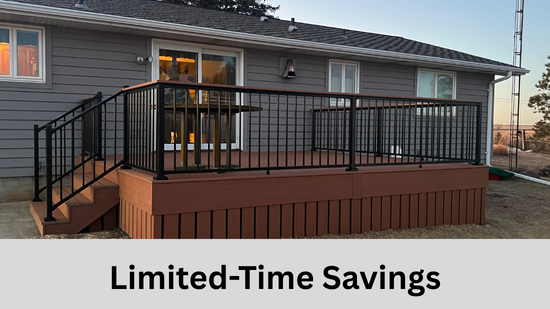
Limited-Time Savings: Our Lowest Pricing This Year
Request a quote today. 06/20/2026
Expires 06/20/2026 Share
Smooth project
The purchase and installation of my pergola went smoothly. I’m really pleased with the finished product. Full Review on Google